
Have you ever opened an old drawer and wondered whether the lighter inside is simply nostalgic or genuinely collectible? If you want to buy vintage lighters, the first step is learning what collectors actually notice. Brand matters, but so do design, mechanism, age, rarity, condition, markings, and provenance. From rugged wartime Zippos to elegant Art Deco table pieces and luxury pocket lighters, several styles continue to attract attention on the secondary market.
What Are the Most Popular Vintage Lighters Available Today?
There is no universal ranking because collecting depends on taste, history, and budget. Still, several categories consistently attract attention, and collectors will find plenty of vintage lighters for sale across them.
1. Vintage Zippo Windproof Lighters
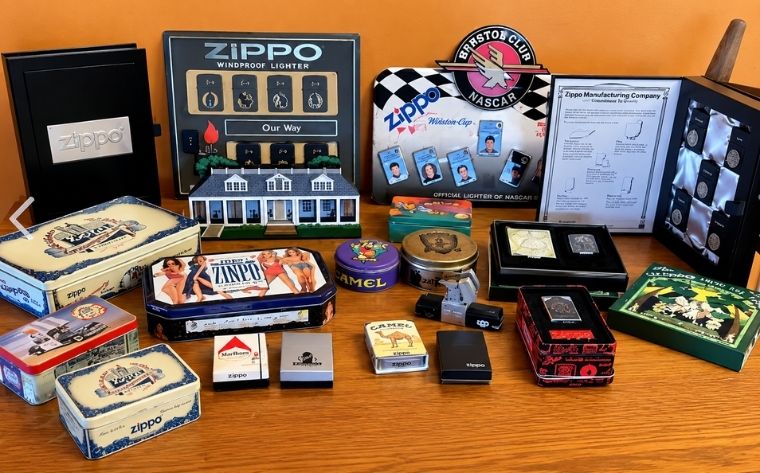
Zippo is a common starting point because its designs span decades and themes. Early examples, advertising pieces, military-associated lighters, unusual finishes, and limited runs can be especially interesting.
The Black Crackle style deserves attention. Zippo explains that steel cases and the crackle finish became associated with wartime production when brass was directed toward the military effort. Its mid-1950s date-code system also helps collectors narrow down production dates.
For collectors who buy vintage lighters, the bottom stamp is one of the first details worth photographing. Compare the stamp, insert, hinge, finish, and dimensions with known examples rather than judging age from appearance alone.
2. Ronson Touch-Tip and Art Deco Table Lighters
Ronson Touch-Tip lighters appeal to collectors who appreciate industrial design. Streamlined bodies, stepped bases, chrome details, enamel, and distinctive mechanisms capture the Machine Age aesthetic.
The Brooklyn Museum holds a Ronson Touch-Tip dating to about 1935 and documents its chrome and black-enameled construction and streamlined tabletop form.
3. Dunhill Rollalite and Namiki Lighters
Dunhill pieces can combine mechanical design with precious materials, lacquer, shagreen, engraving, or Japanese-inspired decoration. Namiki examples are especially notable for intricate decorative work, so condition matters.
4. S.T. Dupont and Other Luxury Lighters
When evaluating vintage lighters for sale, luxury brands such as S.T. Dupont and Cartier attract collectors interested in precious metals, lacquer, engraved finishes, and refined mechanisms. They can be collected as accessories and design objects as much as working lighters.
How should you compare popular vintage lighter styles?
Compare styles by their distinctive features rather than assuming the oldest item is automatically the most valuable.
| Style | Collector Appeal | What to Inspect |
|---|---|---|
| Vintage Zippo | History, advertising, military themes, date codes | Bottom stamp, insert, hinge, finish |
| Ronson Touch-Tip | Art Deco design and mechanism | Enamel, chrome, mechanism |
| Dunhill | Luxury materials and decorative artistry | Hallmarks, finish, provenance |
| S.T. Dupont | Luxury construction and refined design | Markings, finish, mechanism |
| Military/trench styles | Historical context and personalization | Authenticity, inscriptions |
“Vintage” is not a value grade. A scarce 1930s design in poor condition can be less desirable than a later example with unusual artwork, excellent preservation, or documented history.
What should collectors consider when they buy vintage lighters?
Start with identification before price. Record the brand, model, markings, materials, and mechanism. Then examine:
- Condition: Look for dents, corrosion, cracks, missing parts, worn plating, and repaired hinges.
- Originality: Replacement inserts, refinished cases, or later engravings can change collector appeal.
- Rarity: Limited runs, uncommon variations, discontinued designs, and unusual finishes can attract interest.
- Provenance: A documented military, advertising, family, or event connection may add context.
- Comparable sales: Asking prices are not the same as completed sales, so use sold examples where possible.
Asking prices can reflect optimism; completed sales provide a more useful market reference.
Are All Vintage Lighters Collectible?
No. Age alone does not make a lighter desirable. A common, heavily worn example may have limited demand, while a rarer variation from the same period may be much more interesting.
Before you buy vintage lighters, look beyond the word “rare.” Check whether the seller identifies the model, shows clear markings, and explains condition accurately. For higher-value pieces, provenance and authenticity matter.
How Can You Identify a Vintage Lighter Before Buying?
Use this five-step check:
- Identify the maker. Start with the logo, stamp, patent information, or hallmark.
- Study the mechanism. Note whether it is a windproof pocket lighter, table lighter, touch-tip design, roller ignition, or another system.
- Date the piece. Manufacturer references, patent marks, and model-specific features can narrow the period.
- Inspect every surface. Photograph the base, interior, hinge, insert, and engraving.
- Compare documented examples. Museum collections, manufacturer histories, and reputable references are stronger evidence than vague online listings.
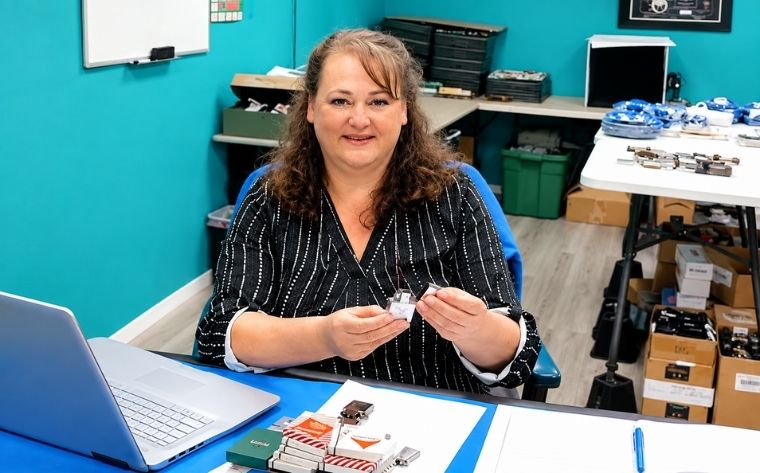
If value is the real question, Sell My Lighters’ lighter valuation service considers factors including rarity, age, condition, brand, materials, historical significance, and craftsmanship.
Final Thoughts
The most popular vintage lighter styles available today range from Zippo and Art Deco Ronson pieces to decorative Dunhill models and luxury S.T. Dupont designs. The right choice depends on story, rarity, condition, and design—not simply age.
If you are selling a lighter, an informed valuation can help you understand what you own. For collectors and sellers researching the market, Sell My Lighters offers a practical place to start.
Have a vintage lighter you want to understand better? Explore the valuation service to learn more about the characteristics that can influence its collectible appeal.
Key Takeaways
- Zippo, Ronson, Dunhill, and S.T. Dupont represents several of the most recognizable categories in vintage lighter collecting, each with distinct design and historical appeal.
- Rarity, condition, originality, provenance, materials, and collector demand can make a significant difference.
- Check stamps, markings, mechanisms, finishes, inserts, and comparable examples before making a purchase.
- Professional evaluation can be useful when a lighter appears rare, has historical associations, or has characteristics that are difficult to authenticate independently.
Frequently Asked Questions
What makes a vintage lighter collectible?
Collector appeal can come from rarity, age, design, condition, historical significance, brand reputation, materials, and documented provenance.
Are Art Deco lighters valuable?
Some Art Deco lighters can be highly collectible, particularly unusual designs with strong condition, original finishes, recognizable makers, or documented history.
How can I tell whether an old lighter is authentic?
Start by examining manufacturer markings, construction details, mechanisms, dimensions, materials, and identifying features. Compare them with reliable references or seek an expert opinion.

