
For most people, a Zippo lighter is instantly recognizable. The shape, the sound of the lid opening, and the unmistakable click have made Zippo one of the most iconic American brands ever created. Yet for collectors and enthusiasts, not every Zippo tells the same story.One of the most interesting distinctions in the world of collectible Zippo lighters is the difference between slim Zippos and regular Zippos. At a glance, they may seem like simple variations of the same product. Look closer and a much richer story begins to emerge.Why did Zippo create a slimmer model in the first place? When did it appear? Was it made for a different audience? Do collectors prefer one over the other? And what exactly separates a slim Zippo from the classic standard model beyond size alone?For anyone interested in Zippo lighter history, collectible Zippo lighters, or simply understanding the evolution of one of America’s most famous products, the differences between slim and regular Zippos offer a fascinating window into changing design, consumer culture, and collecting trends.
The Original Zippo: Where It All Began
To understand the slim Zippo, it helps to start with the original. Zippo’s story began in the early 1930s in Bradford, Pennsylvania. Founder George G. Blaisdell saw an opportunity to improve on an Austrian lighter design that worked reliably but lacked visual appeal and practicality. He kept the basic windproof chimney concept but redesigned the exterior into something more elegant and functional. The result became the first Zippo lighter. The early design established the signature rectangular case, hinged lid, removable insert, and windproof functionality that still define the brand today. The regular Zippo, often called the standard Zippo by collectors, became the company’s identity. Its proportions felt balanced and substantial. It was built to fit comfortably in a pocket while remaining easy to operate with one hand. Over time, this design became inseparable from American history. Zippo lighters traveled with soldiers, appeared in films, became advertising tools, and developed into one of the most collectible lighter brands in the world. For decades, this was the Zippo people knew.
Why Zippo Created the Slim Model
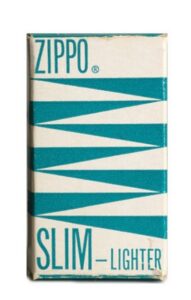
By the 1950s, consumer tastes were changing. Postwar America embraced modern design, convenience, and style in new ways. Products were increasingly tailored toward lifestyle preferences rather than simple utility. Zippo recognized an opportunity. In 1956, the company introduced the Zippo Slim. This was not simply a smaller version of the original. It was a response to changing consumer habits and aesthetics. The slimmer design was marketed as more refined, stylish, and easier to carry. Advertising from the period often positioned the slim Zippo as elegant and fashionable. It appealed to consumers who wanted the reliability of a Zippo lighter in a more compact form. This included women, professionals, and buyers who preferred a lighter that occupied less pocket space. The introduction of the slim Zippo reflected a larger cultural shift. American products in the 1950s increasingly embraced sleek lines and modern presentation. Cars became more stylized. Appliances became more visually sophisticated. Personal accessories followed the same trend. The slim Zippo fit perfectly into that moment.
Physical Differences Between Slim and Regular Zippos
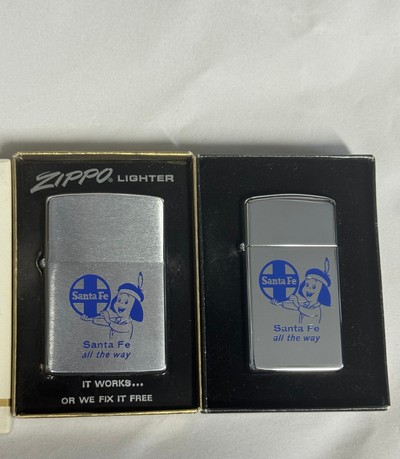
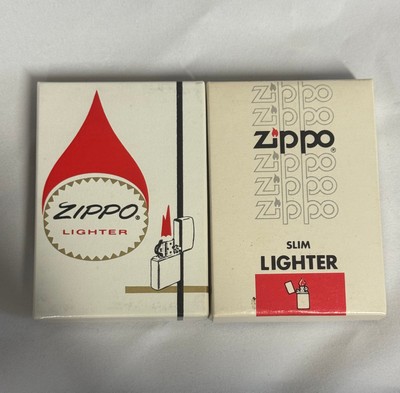
The most obvious difference is size, but the distinctions go further than simple dimensions. A regular Zippo has the familiar broad rectangular profile most people recognize immediately. A slim Zippo is noticeably narrower. The reduced width changes the overall feel dramatically. A regular Zippo feels solid and substantial in the hand. A slim Zippo feels lighter, more delicate, and more compact. Collectors often describe the regular Zippo as utilitarian and iconic, while the slim model feels more elegant and specialized. The insert is also different. A slim Zippo uses a slim insert specifically built for that case size. A standard insert will not properly fit a slim case, and vice versa. This distinction matters to collectors because originality affects value. A mismatched insert may suggest replacement, repair, or alteration. Other differences include hinge proportions, internal spacing, weight distribution, and visual balance. To casual owners these details may seem minor. To serious Zippo collectors, they matter greatly.
The Collector Identity of the Regular Zippo
The standard Zippo remains the dominant force in the collector market. This is partly because it came first. Historical significance matters in collecting, and the original format carries undeniable weight. Many of the most desirable vintage Zippo lighters were produced in standard size. This includes wartime models, military issue examples, vintage advertising Zippos, commemorative editions, and early production pieces. The regular Zippo is closely tied to the brand’s most important moments. World War II collectors often focus heavily on standard black crackle examples. Military collectors seek standard Zippos associated with service history. Advertising collectors often pursue standard branded examples featuring oil companies, tobacco brands, automotive businesses, and regional companies. Because of this historical depth, the regular Zippo often receives stronger mainstream collector attention. For many enthusiasts, it represents the purest form of the Zippo identity.
The Collector Identity of the Slim Zippo
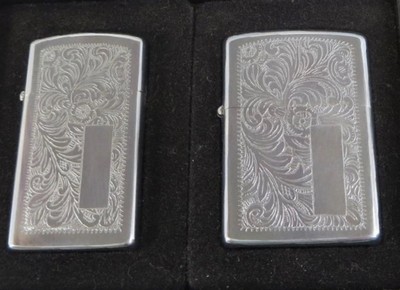
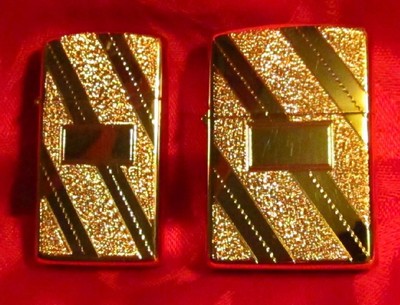
The slim Zippo occupies a different place in the collecting world. It is not necessarily less important. It is simply different. Slim models often appeal to collectors who appreciate design variation, niche production runs, or specialized themes. Because slim Zippos entered the market later, they reflect a different cultural period. They feel more mid century modern. More style conscious. More tailored to consumer presentation. Some slim Zippos were issued as elegant gifts, promotional pieces, or decorative accessories. Collectors often encounter engraved examples, personalized editions, and decorative finishes in slim formats. Certain slim sterling silver Zippos are especially admired. International collectors may also encounter interesting slim releases not commonly seen in broader American collections. While regular Zippos dominate historical collecting, slim Zippos can be highly desirable within specific niches.
Why the Slim Zippo Was Marketed Differently
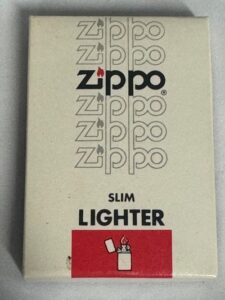 The marketing tells an important story. Zippo did not introduce the slim model merely to reduce size. It represented a different lifestyle pitch. Mid twentieth century advertising often framed products around identity. The slim Zippo was presented as sleek, sophisticated, and fashionable. It was marketed in a way that reflected contemporary style preferences. This broadened the brand’s appeal. The standard Zippo remained associated with rugged practicality. The slim version offered refinement. This positioning influenced who purchased them and how they were used. That history affects collecting today. The kinds of designs found on slim Zippos often reflect their original marketing direction.
Dating Slim and Regular Zippos
One area where collectors become especially detail oriented is dating production. Zippo date codes and bottom stamps help establish when a lighter was made. Both slim and regular models use similar identification principles, though design details evolved over time. Collectors examine:Bottom stamp markingsPatent referencesCase shapeInsert markingsHinge styleManufacturing cluesEarlier examples often show different production characteristics than later ones. Because Zippo lighter history spans decades, even small stamp differences can matter. A 1950s slim Zippo carries a very different collector profile than a modern production example. Learning how to identify a Zippo accurately is one of the most useful skills for collectors.
Functionality Differences
In practical use, slim and regular Zippos behave similarly. Both use Zippo’s windproof chimney design. Both rely on replaceable flints and wick systems. Both feature removable inserts. Both deliver the familiar opening and closing action collectors love. The main functional differences come down to size and fuel capacity. A regular Zippo generally holds more lighter fluid. This can affect practical use frequency. The regular case also feels easier for some users to handle, especially those accustomed to the classic shape. Slim models prioritize compact carry and aesthetics. Neither is inherently better. They simply serve slightly different preferences.
Common Collector Misconceptions
One common myth is that slim Zippos are always less valuable. This is not true. Collector value depends on far more than size. Rarity, condition, theme, finish, originality, packaging, and historical significance all matter. A rare slim Zippo can absolutely outperform a common standard example. Another misconception is that slim models were designed only for women. While some advertising reflected gendered marketing trends of the era, the slim model ultimately appealed to a broader audience seeking a smaller, more elegant lighter. Another misunderstanding is that smaller automatically means newer. Slim Zippos have existed since the 1950s. Many are genuinely vintage Zippo lighters with strong collector appeal.
Which Model Do Collectors Prefer?
This depends heavily on collecting style. Historical collectors often prefer standard Zippos. Military collectors lean toward standard models because so many iconic service related examples exist in that format. Advertising collectors frequently favor standard models as well. Design oriented collectors may appreciate slim Zippos for their aesthetic differences. Specialty collectors may intentionally pursue slim only collections. There is no universal answer. Broader collector demand tends to favor standard Zippos because of historical association and availability across major collectible categories. But collector passion often lives in niches.
Notable Slim Collecting Areas
Slim Zippos developed several interesting collecting niches. Sterling silver slim models remain admired for craftsmanship and presentation. Decorative engraved examples attract design focused collectors. Gift presentation pieces offer cultural interest. International market variants add complexity. Mid century promotional releases create fascinating snapshots of consumer history. Collectors interested in twentieth century design often appreciate slim Zippos for reasons beyond pure brand loyalty. They reflect changing tastes in a way standard models sometimes do not.
Why This Difference Matters
Understanding slim Zippo vs regular Zippo differences is about more than dimensions. It is about history. Design evolution. Consumer culture. Collecting psychology. The regular Zippo tells the story of rugged utility, wartime history, and the foundational identity of one of America’s most recognizable products. The slim Zippo tells the story of adaptation, style, and changing cultural expectations. Both matter. Both belong in the broader story of collectible Zippo lighters. For collectors, historians, and casual enthusiasts alike, these differences make the hobby richer. The next time you hold a Zippo lighter, you are not just holding a tool. You are holding a small piece of design history.

