
When people think of a Zippo lighter, they usually picture something simple, durable, and timeless. The familiar click. The solid feel in your hand. The confidence that it will work when you need it. But that is only part of the story.
What truly transformed Zippo into a cultural icon was not just engineering. It was art.
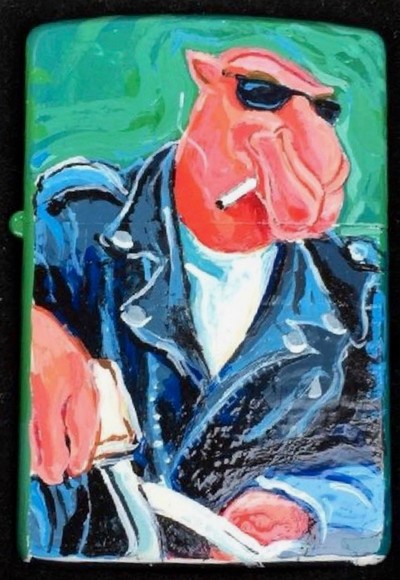
Over the decades, artists from completely different worlds have left their mark on Zippo. Painters, illustrators, fantasy creators, pin-up legends, and pop culture icons all contributed to shaping what a Zippo lighter could be. They turned it into more than a tool. They turned it into a canvas.
From Personal Engravings to Artistic Expression
Before official collaborations ever existed, creativity found its way onto Zippo lighters through everyday people. Soldiers engraved messages during wartime. Owners scratched initials or symbols into the surface. These small acts of personalization revealed something important. People did not just want to carry a lighter. They wanted to carry something that meant something. That idea laid the foundation for what would come later. Once Zippo recognized the emotional connection people had with their lighters, the door opened for artists to step in and elevate that connection even further.

The Rise of Iconic Illustration and Early Influences
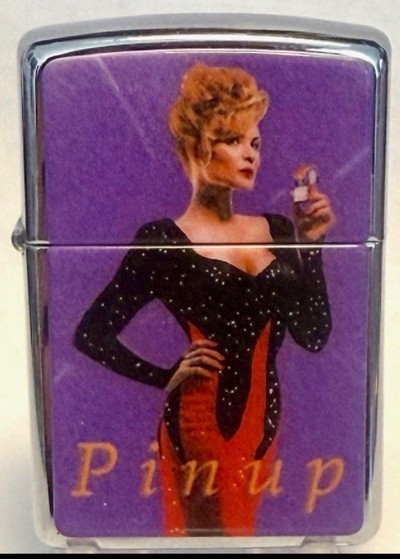
One of the earliest artistic influences that aligned perfectly with Zippo’s identity was the world of pin-up art. Few names stand out more than George Petty whose illustrations defined an era. His work captured a mix of elegance and boldness that resonated with American culture. When that style found its way onto Zippo lighters, it created something powerful. It connected nostalgia with everyday carry. It gave a lighter personality. Pin-up art made Zippo feel expressive. It brought emotion and attitude to a small piece of metal. That influence is still visible today in many vintage-inspired designs.
Fantasy and Imagination Enter the Scene
As time moved forward, Zippo began collaborating with artists who specialized in fantasy and storytelling. These artists did not just decorate the lighter. They transformed it into a world of imagination.
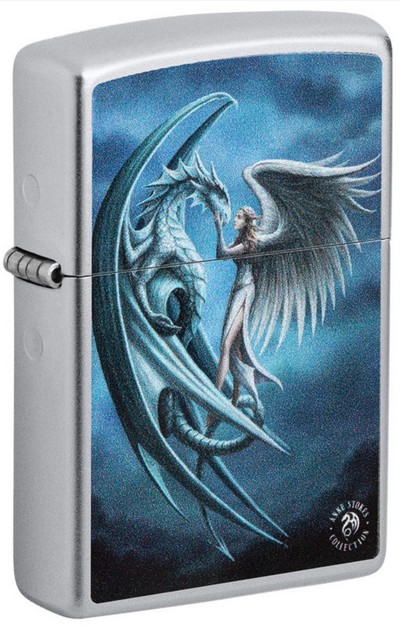
Anne Stokes became one of the most recognizable names in this space. Her work featuring dragons, mystical creatures, and gothic themes turned Zippo into something almost magical. Each lighter felt like a scene from a larger story.
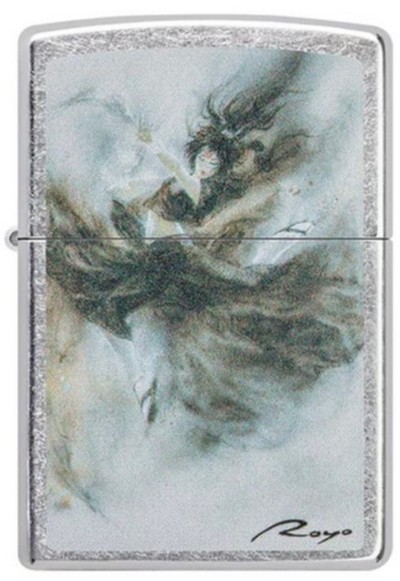
Similarly, Luis Royo brought a darker and more dramatic tone. His art often blends strength and mystery, creating designs that feel intense and cinematic. When applied to Zippo lighters his work elevated them into collectible pieces that fans of fantasy actively sought out.
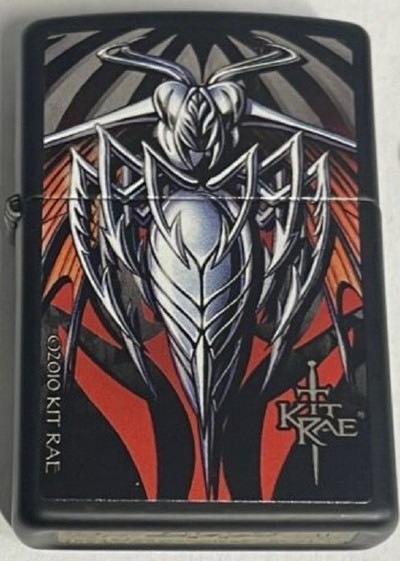
Then there is Kit Rae, who is known for his legendary weapon designs. His style added a sense of myth and power to Zippo. These were not just lighters anymore. They felt like artifacts from another world.
Comic Culture and Pop Icons
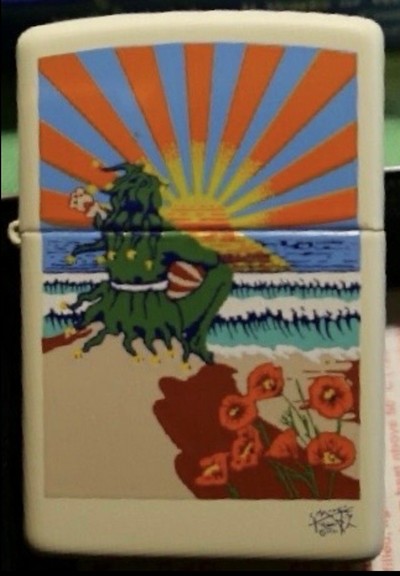
No conversation about artistic influence would be complete without recognizing the impact of. Stanley Mouse represents one of the most influential creative forces in modern storytelling. Zippo lighters featuring iconic characters brought a whole new audience into the fold. These designs connected with fans on a personal level. They were not just merchandise. They were symbols of heroes, stories and imagination. This era showed how powerful licensed collaborations could be. It expanded Zippo’s reach and proved that art tied to storytelling had a lasting impact.
The Precision and Detail of Modern Masters
As design techniques improved, artists were able to push the limits of what could be done on a Zippo surface.
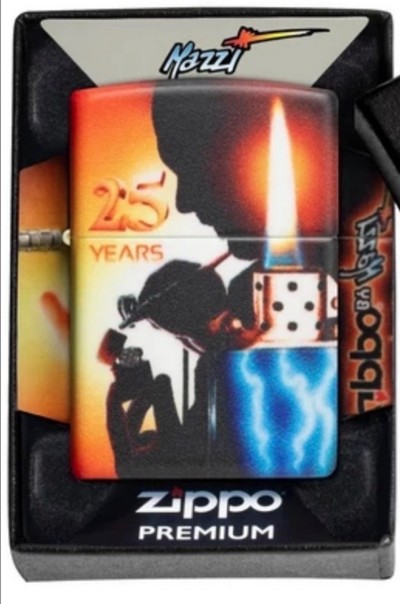
Claudio Mazzi known simply as Mazzi, became one of the most respected names in Zippo artistry. His work is known for incredible detail and realism. Whether he is painting wildlife or classic imagery, his designs feel alive. Mazzi’s contributions helped redefine what collectors expected from a Zippo lighter. He showed that it could be treated as fine art.
Linda Picken brought a different kind of beauty through her detailed wildlife illustrations. Her work added a sense of calm and appreciation for nature. These designs appealed to collectors who valued realism and elegance.
Barrett Smythe introduced bold and distinctive styles that stood out immediately. His work often carries a strong visual identity, making each piece memorable.
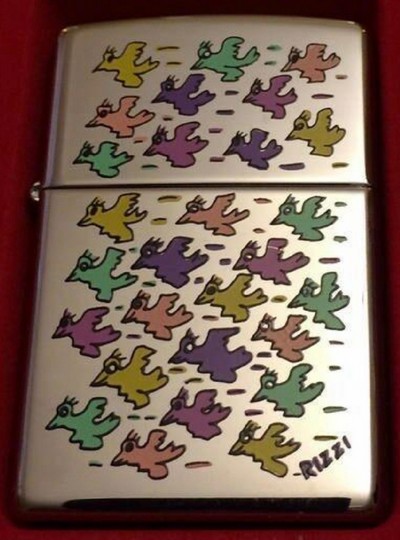
Rizzy added another layer of modern fantasy influence, blending contemporary themes with classic artistic elements.
Each of these artists brought something unique. Together, they expanded the creative boundaries of what Zippo could represent.
The Influence of Custom and Underground Artists
Not all influence comes from widely known names. Artists like Richard Wallich represent a different side of Zippo history. Custom engraving and one-of-a-kind artwork have always been part of the Zippo world. These artists work outside large-scale production, creating pieces that are deeply personal and often completely unique. This underground level of artistry keeps the spirit of originality alive. It connects modern collectors with the earliest days of engraved Zippos.
Technology Opens New Doors
Advancements in technology allowed artists to experiment in ways that were never possible before. Color imaging, laser engraving, and photo processing gave designers more freedom. This meant more detail, more variation, and more storytelling within a small space. Artists could now layer textures, create depth, and produce designs that felt almost three-dimensional. These innovations helped keep Zippo relevant in a rapidly changing world.
How Artists Transformed Zippo Collecting
The influence of artists did not just change how Zippo’s looked. It changed how people collected them. Collectors began focusing on specific artists. A Mazzi piece became something to hunt for. An Anne Stokes design became part of a themed collection. A Stan Lee collaboration became a must-have for comic fans. This added a new dimension to collecting. It was no longer just about the lighter itself. It was about the story behind it. Who created it? What inspired it? How rare it is. Art gave collectors a deeper reason to care.
More Than Decoration: A Shift in Identity
If you look at the evolution of Zippo, it becomes clear that art did more than enhance appearance. It reshaped identity. Without artists, Zippo would still be respected for its quality. But it would not have the same emotional connection. It would not have the same cultural reach. Artists gave Zippo a voice. They allowed it to speak to different generations and different communities. A single lighter can represent music, fantasy, nostalgia or personal memory. That versatility is what keeps Zippo relevant.
Looking Ahead: The Future of Zippo Art
The relationship between artists and Zippo is far from over. In many ways, it is just getting started. New artists continue to bring fresh ideas. Digital tools continue to expand possibilities. Collectors continue to look for something unique. There is also a growing appreciation for craftsmanship and authenticity. People want objects that feel meaningful. Zippo sits perfectly in that space. Future collaborations may push boundaries even further. More detailed designs. More experimental styles. Possibly even new materials. But one thing will not change… Artists will continue to shape Zippo’s story.
Final Thoughts
The history of Zippo is often told through durability and design. But the true heart of its evolution lies in creativity. From George Petty to Claudio Mazzi to Stan Lee and many others, artists have turned a simple lighter into something meaningful. They transformed it into a collectible. A form of expression. A piece of art that fits in your pocket. And that is what makes Zippo different. It is not just something you use. It is something you connect with.

