
Wondering how much is my Zippo worth? The answer depends on far more than age. Collectors and buyers typically look at the lighter’s date, condition, case design, markings, rarity, and demand for a particular model. Even two Zippo lighters from the same period can have very different values. Understanding what affects collectability can help you evaluate a vintage lighter more realistically before deciding whether to keep, insure, or sell it.
What Determines the Value of a Vintage Zippo?
The value of a vintage Zippo is generally determined by its age, condition, rarity, design, markings, and current collector demand.
1. Check the Date and Bottom Stamp
Zippo has used bottom markings to identify manufacturing periods and models. These markings can help establish when a lighter was produced and whether its design matches the claimed era.
Before researching a value, photograph the entire bottom stamp clearly. Small differences in symbols, lettering, or date codes can matter when identifying a vintage piece.
The official Zippo date codes are a useful starting point for narrowing down the manufacturing period.
2. Examine Overall Condition
Condition can significantly influence collector interest.
Look closely at:
- Scratches and dents
- Finish wear
- Rust or corrosion
- Hinge condition
- Insert condition
- Engraving and artwork
- Original components
A well-preserved lighter with its original finish may attract more interest than a heavily worn example. However, don’t automatically assume that every untouched lighter is more valuable. Some unusual finishes, advertising pieces, and historically interesting examples can remain collectible despite visible wear.
3. Consider Rarity and Design
A standard production model and a scarce promotional or limited-edition piece should not automatically be valued in the same way.
Collectors may look for unusual advertising designs, discontinued finishes, special engravings, military-related pieces, commemorative issues, or models associated with particular periods.
If you want to explore different collector interests, the guide Popular Vintage Lighter Styles Collectors Look For offers another useful starting point.
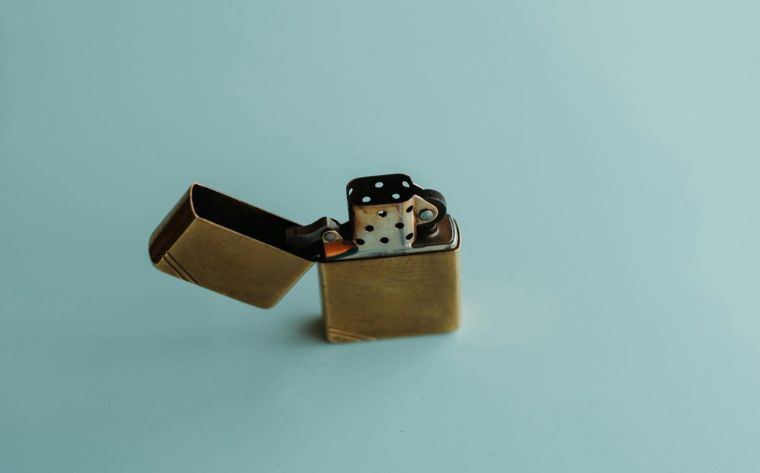
How Can I Determine How Much My Zippo Is Worth?
Start by identifying the lighter accurately, documenting its condition, and comparing it with similar examples that have actually attracted collector interest.
A practical evaluation process is:
- Identify the manufacturing period: Check the bottom stamp and insert markings.
- Record the model and finish: Note engravings, artwork, colour, finish, and unusual features.
- Assess condition carefully: Photograph dents, scratches, corrosion, hinge wear, and missing parts.
- Check provenance: Original packaging, documentation, or a known history can provide useful context.
- Compare similar examples: Look for the same or closely comparable model rather than relying on broad vintage-lighter prices.
- Seek a professional assessment when needed: Particularly unusual or potentially rare pieces deserve closer examination.
This approach is more reliable than using age alone to estimate a price.
What Is a Zippo Lighter Appraisal Based On?
A Zippo lighter appraisal should consider identification, authenticity, condition, rarity, provenance, and current market interest.
One useful rule is to avoid cleaning or polishing a potentially collectible lighter before it has been assessed. Altering the original surface can remove information about its condition and may affect collector appeal.
Sell My Lighters provides a lighter value assessment service for people who want help determining what their lighter may be worth. Providing clear photographs and accurate details can make the evaluation process more useful.
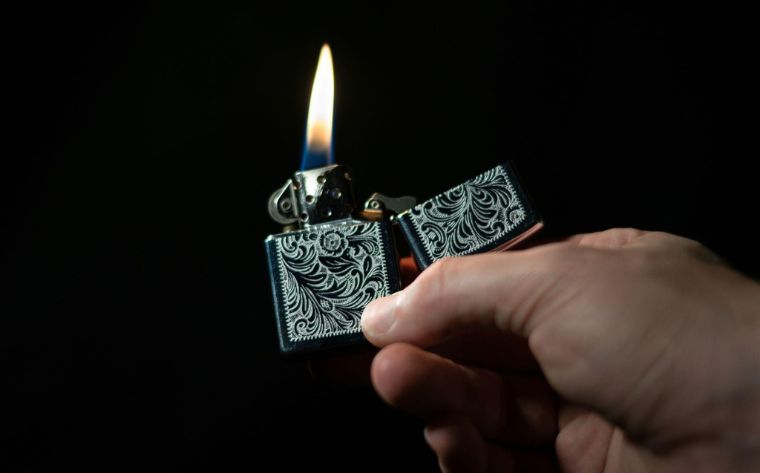
Why Comparable Examples Matter
A vintage lighter’s asking price does not necessarily represent its market value. Sellers may list unusual pieces at ambitious prices, while actual transactions can provide a more meaningful comparison.
When researching your lighter, compare examples based on:
| Factor | Why It Matters |
| Date | Establishes the production period |
| Condition | Indicates preservation and wear |
| Design | Helps identify collector interest |
| Rarity | Scarcity can increase demand |
| Provenance | Adds useful historical context |
| Market activity | Shows current buyer interest |
Ultimately, how much is my Zippo worth depends on the specific lighter rather than simply its age. Accurate identification, careful condition assessment, and comparison with genuinely similar pieces provide a much stronger basis for understanding its potential value.
Find Out What Your Vintage Lighter May Be Worth
Have a vintage Zippo and want a professional opinion? Submit details and clear photos through Sell My Lighters’ lighter value assessment service to get started.
Key Takeaways
- How much is my Zippo worth depends on more than age, including condition, rarity, design, markings, and collector demand.
- Check the bottom stamp to help identify the lighter’s manufacturing period and model.
- Original finishes, components, packaging, and documented provenance can provide valuable context when assessing a vintage piece.
- A professional Zippo lighter appraisal can be useful when a lighter appears rare, unusual, or potentially valuable.
Frequently Asked Questions
How can I tell how old my vintage Zippo is?
Check the markings on the bottom of the lighter. Zippo’s date-code system can help identify the manufacturing period of many models.
Does the condition of a Zippo affect its value?
Yes. Original finishes, minimal wear, intact components, and original packaging can influence collector interest and potential value.
Are older Zippo lighters always worth more?
No. Age is only one factor. Rarity, design, condition, historical significance, and current collector demand can also affect value.
Should I clean my vintage Zippo before selling it?
It is generally better to have a potentially collectible lighter assessed before cleaning or polishing it, as alterations can affect its original condition.
What information is useful for a Zippo value assessment?
Clear photographs, bottom-stamp details, condition information, model or design details, packaging, and any known history can help with an assessment.

